Fingerprint Comparison
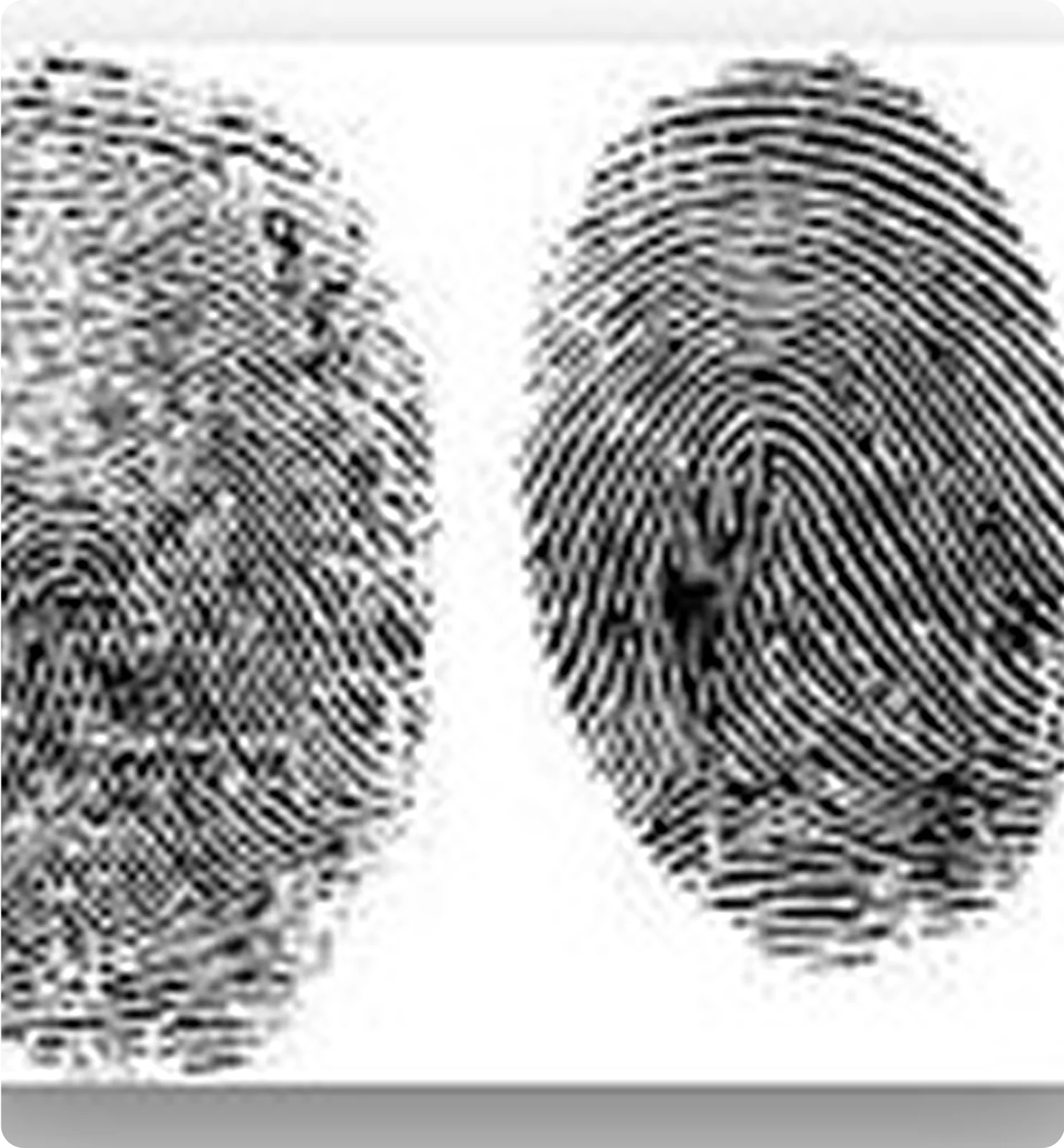
- Fingerprint comparison is the process of comparing a fingerprint with other fingerprints to determine whether it belongs to the same person. This is done by analyzing the ridge patterns of the fingerprint, such as ridge endings and bifurcations, to see if they match another fingerprint.
- Fingerprint comparison is considered one of the most important pieces of evidence for identifying individuals.
Fingerprint Comparison Stages
1. Comparison: The expert compares the minutiae details in the fingerprints, such as ridge endings and bifurcations, and determines the degree of similarity between them.
2. Analysis: The expert analyzes the results and determines whether the fingerprints are identical or not.
Techniques Used in Fingerprint Comparison
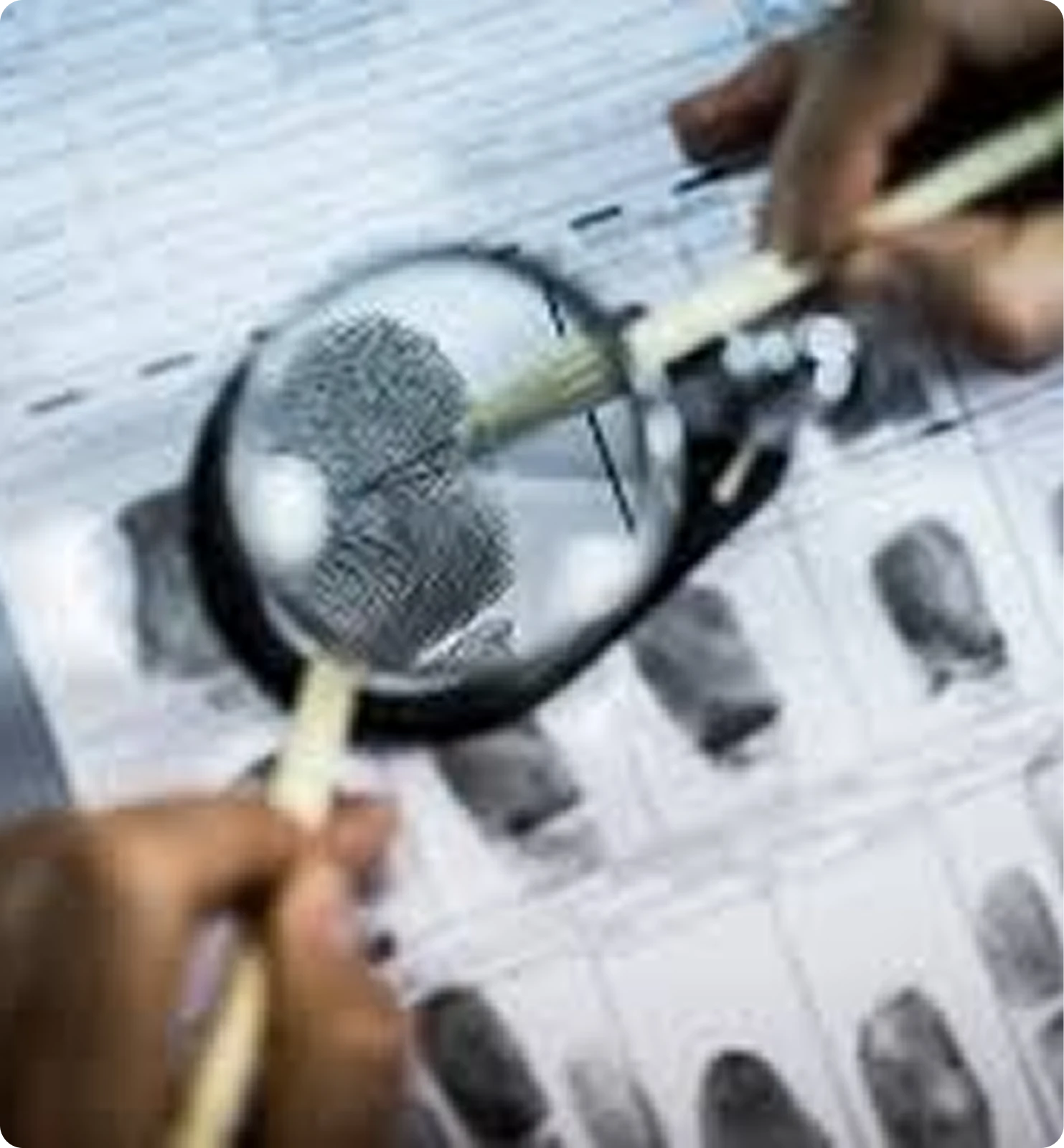
1. Manual Method: The expert compares the fingerprints manually using magnifying lenses.
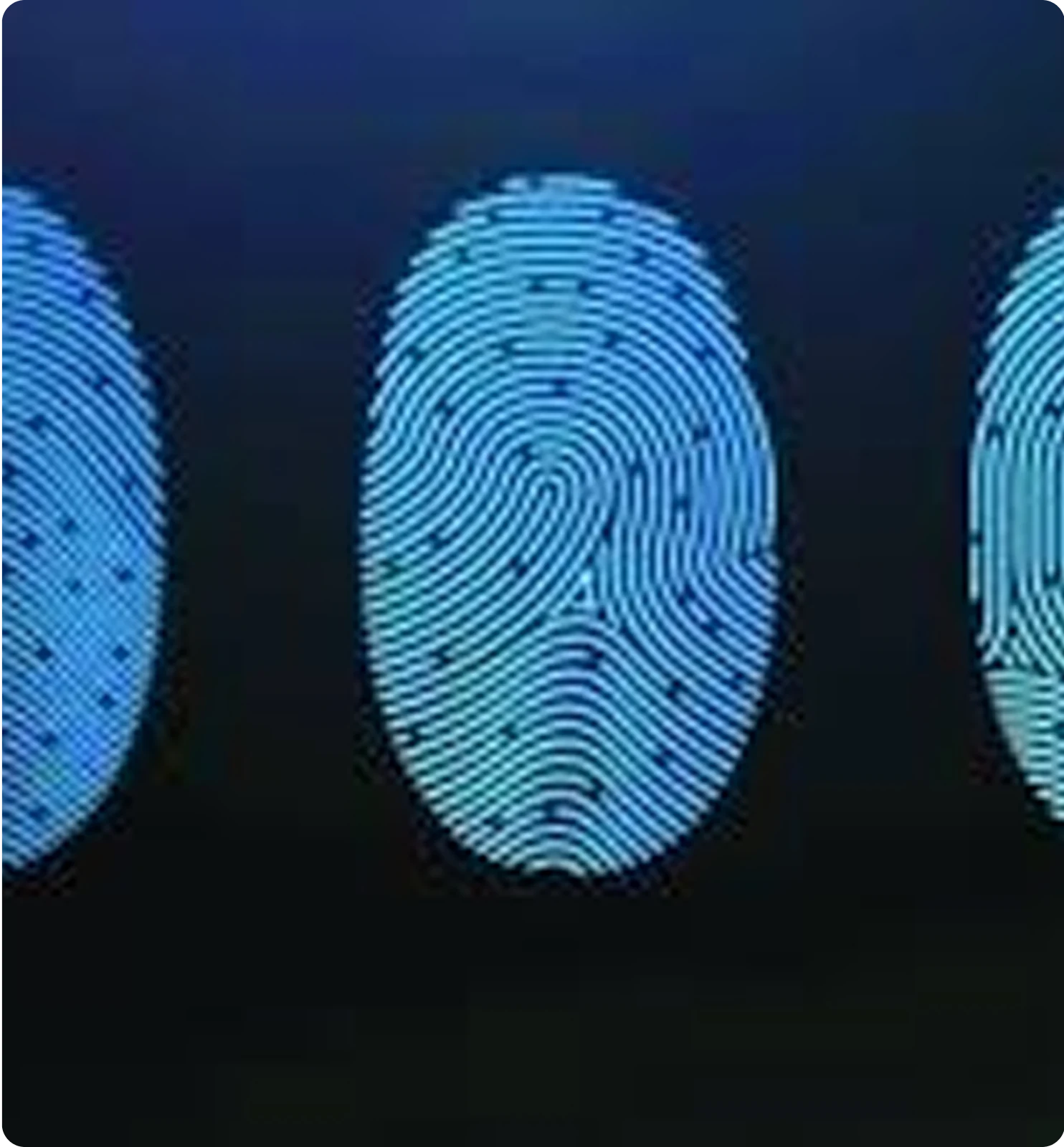
2. Digital Techniques: Computer software is used to analyze and compare fingerprints.
3. Advanced Techniques: Sophisticated methods are used, such as spectroscopic analysis and fingerprint imaging using ultraviolet rays.
Potential Limitations
Fingerprints may be affected by environmental conditions, such as heat and humidity, which can impact the accuracy of the comparison.
Errors may occur during the comparison process, whether manual or digital.
There may be similar fingerprints among different individuals, which could lead to incorrect results.